
News
The Crazy Story of Algie, the Giant Pink Floyd Pig That Escaped Into the Sky
Pink Floyd’s Animals became legendary because the giant inflatable pig on the cover literally escaped, floated across London, and forced Heathrow Airport to delay flights. No, seriously. The pig’s name was Algie, and even decades later, it’s still one of the weirdest and most unforgettable stories in rock history.

Table of Contents
So who exactly was Algie?
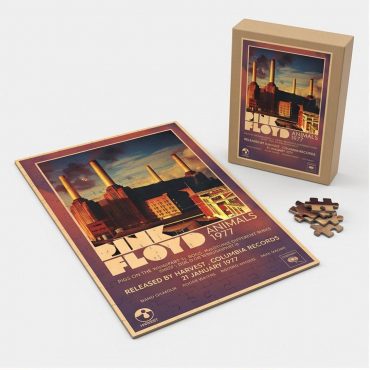
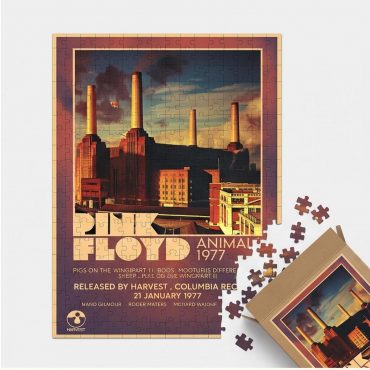
Algie was a massive inflatable pink pig created for Pink Floyd’s 1977 album Animals. It was around 12 to 13 meters long and designed to float between the huge chimneys of London’s Battersea Power Station for the album cover photo.
The idea came mainly from Roger Waters, who wanted the album’s visuals to match its dark themes about society, greed, power, and capitalism. The concept of Animals was heavily inspired by George Orwell’s Animal Farm, where different animals represented different types of people in society.

In the album:
- Dogs represented ruthless businesspeople
- Sheep symbolized people who blindly follow others
- Pigs represented powerful, corrupt elites
So naturally, Pink Floyd decided the best way to promote this idea was to fly a gigantic pig over London.
Because of course they did.
The Battersea Power Station shoot
The photoshoot happened in December 1976 at Battersea Power Station, one of the most recognizable industrial buildings in London. The location was perfect. Dark, smoky, cold, and slightly dystopian. Exactly the kind of atmosphere Pink Floyd loved.
The production team inflated Algie and tied it down with cables while photographers prepared to capture the shot.

Everything was supposed to go smoothly.
It did not.
The day the pig escaped
On December 2, 1976, the weather turned bad. Strong winds started picking up around the power station, but the team continued anyway.
At some point during the shoot, one of the cables holding Algie snapped. Then another one broke. And suddenly, the giant pink pig was gone.
Instead of floating calmly between the chimneys, Algie drifted away into the London sky while everyone watched in horror.

Nobody had a backup plan for “what to do if the pig escapes.”
Heathrow Airport had to stop flights because of a pig
This is the part that sounds completely made up, but it actually happened.
As Algie floated higher, air traffic controllers realized the giant inflatable pig was moving dangerously close to the flight paths around Heathrow Airport. Flights had to be temporarily delayed because nobody wanted a passenger plane colliding with a massive airborne pig.
Imagine being a pilot in 1976 and hearing someone on the radio calmly explain that your flight is delayed because Pink Floyd lost their inflatable pig. That single incident generated massive media attention across the UK. Newspapers loved it. Radio stations talked about it nonstop. Pink Floyd accidentally created one of the greatest publicity stunts in music history without even trying.
Where did Algie end up?
After drifting across southern England, Algie finally came down in a field in Kent.
A local farmer reportedly found the enormous pink pig sitting on his land and had absolutely no idea what was going on.

Which honestly sounds like the most British thing ever.
You Might Also Like


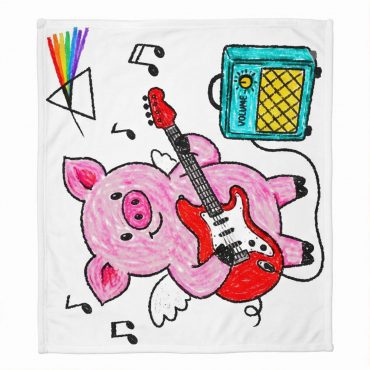

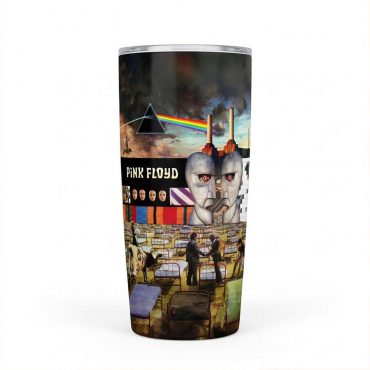

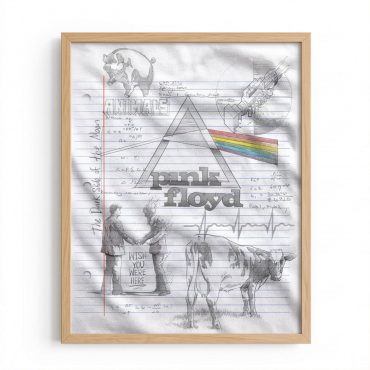


By then, though, the story had already exploded in the press. The runaway pig became almost as famous as the album itself.
The funny part? The famous cover photo wasn’t even from that day
Here’s the twist most people don’t know.
The iconic Animals album cover wasn’t captured during the actual escape.
Because Algie disappeared, the designers eventually had to combine multiple photos together later to create the final image. The result became one of the most recognizable album covers of all time.
And somehow, the fact that it almost failed completely makes it even more perfect.
Why Algie became a Pink Floyd symbol
After the success of Animals, the pig became a huge part of Pink Floyd’s identity.
Different versions of Algie started appearing during live concerts around the world. Sometimes the pigs featured political messages, symbols, or provocative artwork. Over time, the inflatable pig became more than just a prop. It turned into a symbol of rebellion, satire, and anti-establishment culture.

Even people who have never listened to a full Pink Floyd album often recognize the flying pig.
That’s how powerful the image became. In 2011, Pink Floyd recreated the famous Battersea Power Station shoot using another giant inflatable pig.
The recreation brought the story back into the spotlight and reminded fans just how bizarre the original event really was. Thankfully, this time the pig did not escape and shut down an airport. Probably for the best.
Why do people still love this story today
The story of Algie still feels special because it perfectly captures what made Pink Floyd different.
They weren’t just making music. They were creating experiences, imagery, controversy, and mythology around everything they did.
And somehow, a giant inflatable pig drifting across London became one of the most memorable moments in rock history.
It was chaotic. It was ridiculous. It was completely unplanned.
And that’s exactly why people still talk about it nearly 50 years later.
Final thoughts
A lot of bands have famous logos or mascots.
Very few accidentally release theirs into controlled airspace.
Algie started as a promotional idea for an album cover and somehow ended up becoming one of the most iconic symbols in rock culture. From floating above Battersea Power Station to disrupting Heathrow Airport traffic, the giant pink pig achieved a level of fame nobody could have predicted.
Not bad for a balloon.



