
News
10 Facts You Might Not Know About Pink Floyd Meddle
Pink Floyd Meddle has a singing dog, a football crowd, and a piano note that sounds as though it belongs beneath the ocean. Fifty-five years after its 1971 release, these details still offer fresh ways into the album. Here are ten stories to keep in mind the next time you put it on.
The band’s sixth studio album gives its two sides very different shapes. “One of These Days,” “A Pillow of Winds,” “Fearless,” “San Tropez” and “Seamus” share the first; “Echoes” has the second to itself. That arrangement leaves room for both the small, unexpected pleasures and the long journey that follows.
Table of Contents
1. The Meddle album cover really is an ear underwater
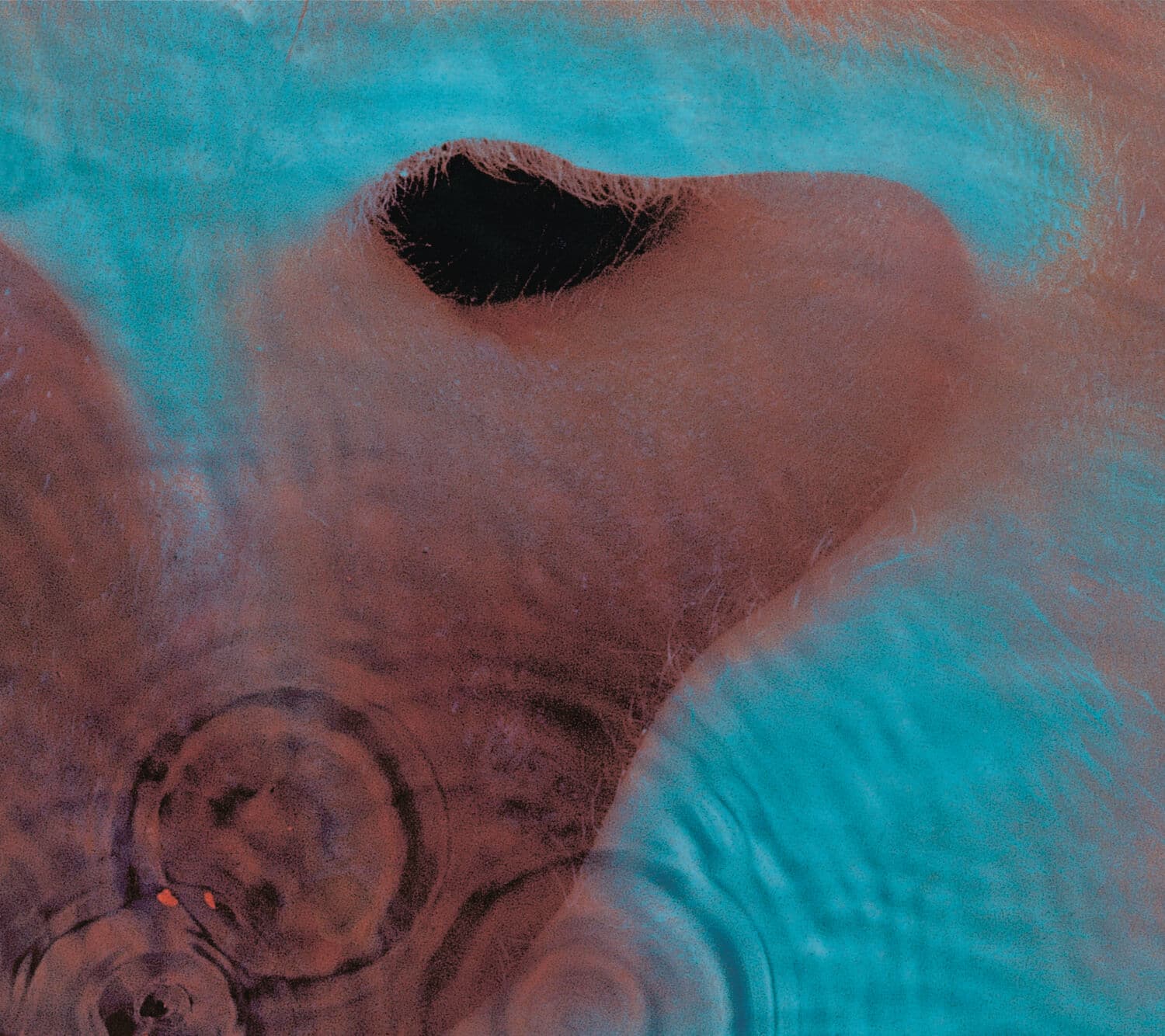
Once you recognise the ear, the cover becomes surprisingly difficult to see any other way. Water breaks up the familiar shape, while its blue-green and reddish tones make a piece of human anatomy look almost like a landscape.
In his memoir Inside Out, Nick Mason recalls the band asking for an ear underwater when briefing Hipgnosis. It is a wonderfully direct idea for a record so concerned with the possibilities of listening.
Our reading of the sleeve is that its ripples invite the same patience as the music: spend a little time with it, and the image resolves. If you enjoy artwork that rewards a second look, explore the story behind the Ummagumma album cover too.
2. Echoes began with experiments called “Nothing”
The names attached to the beginnings of “Echoes” were much less imposing than the finished piece. Pink Floyd’s official album history describes individual experiments known as “Nothing,” followed by material called “Son of Nothing” and “Return of the Son of Nothing.”
Those working titles offer a useful way to approach the track. Hear the movement between its sections: a small sound establishes a mood, a passage gathers force, and a different texture opens another direction.
The finished recording makes that journey feel continuous. Knowing about its experimental beginnings adds another pleasure: you can listen for the joins and consider how separate musical ideas became something large enough to fill a record side.
3. That sonar-like ping started on a piano
The opening of “Echoes” establishes a sense of distance before the song has really begun. Its familiar ping came from Richard Wright playing a grand piano, with the sound fed through a Leslie speaker.
A Leslie uses rotating components to give sound a shifting quality. Here, an everyday keyboard instrument becomes something strangely difficult to place. The result is a small lesson in how much atmosphere a single note can carry.
On your next listen, follow what happens around each repetition. The gaps leave space for anticipation; the approaching instruments gradually give that space a shape. Wright’s opening makes an excellent case for turning the volume up slightly and giving the room a moment to settle.
4. The eerie “seagulls” came from a guitar effect
Some of the strangest sounds in “Echoes” have a very practical explanation. The seagull-like guitar effect involves a wah-wah pedal connected in reverse, with the guitar going into the socket normally used as the output.
Lee Harris, who performs the piece with Nick Mason’s Saucerful of Secrets, has explained using that arrangement and the guitar’s tone control to produce the sound. It is a useful reminder of the physical equipment behind this apparently unearthly passage.
Try following the changing character of those calls rather than waiting for the next recognisable melody. Heard that way, the middle section becomes an absorbing piece of sound design. The tension it builds gives the music’s eventual return much of its emotional weight.
5. Fearless brings Liverpool supporters into the album
The crowd heard on “Fearless” is singing “You’ll Never Walk Alone,” the song so closely associated with Liverpool Football Club. That football recording gives this otherwise intimate track an unexpectedly public setting.
As a listening experience, the shift is striking. The guitar figure feels steady and personal; the crowd introduces a shared voice that reaches beyond the musicians in the studio. You can hear the passage as an expansion of the song’s emotional space, without needing to settle on one definitive interpretation.
It is also a fine reason to spend more time with side one. The album’s smaller tracks have their own surprises. For another connection between the band and the game, read our Pink Floyd football story.
6. Seamus was Steve Marriott’s dog
The howling on “Seamus” belongs to a real dog owned by Steve Marriott, known for Small Faces and Humble Pie. The track takes its name from its canine guest.
There is something appealingly unguarded about placing this little blues performance on the same album as “Echoes.” It leaves room for a joke, a loose moment and an unusual voice that would be hard to mistake for anyone else’s.
Whether “Seamus” is a favourite or a track you usually skip, try hearing it as part of side one’s changing scale. A very ordinary, domestic kind of sound arrives just before the record opens into its longest piece. Our Pink Floyd dog-photo feature explores more of the band’s canine connections.
You Might Also Like












7. A Pillow of Winds has a mahjong connection
According to Nick Mason, the title “A Pillow of Winds” came from mahjong. It is a small, pleasingly unexpected origin for words that sound so naturally suited to the song.
The connection is best treated as Mason’s account of the title, rather than a code that explains every line. A name can come from an ordinary pastime and still acquire a very different emotional life once it belongs to a recording.
Listen to where the track sits. After the drive of “One of These Days,” its gentler pace gives the album room to breathe. The title’s softness suits that change beautifully, even if you have never picked up a mahjong tile.
8. San Tropez was Roger Waters’ solo-written contribution
“San Tropez” carries a sole songwriting credit for Roger Waters. That is a writing distinction: it remains a Pink Floyd band recording.
The song’s relaxed swing makes it an enjoyable change of temperature on Meddle. Listen to how easily it moves, and how different that ease feels from the insistent opening track or the broad spaces of “Echoes.” The contrast gives side one much of its charm.
It also offers a useful way to revisit Waters’ work without bringing expectations from later albums into every song. Here, the pleasure is in the lightness of the performance. A short, breezy number earns its place through the mood it brings to the whole record.
9. The Pompeii filming began before Meddle was released
Pink Floyd began four days of filming at Pompeii’s Roman amphitheatre on 4 October 1971. The band’s official timeline places the American release of Meddle on 30 October and the British release on 5 November; the film reached general UK release in 1972.
That sequence matters. The performances belong to the moment when this music was still new, before the album had gathered decades of reputation.
“Echoes,” presented in two parts in Live at Pompeii, makes a rewarding companion to the studio version. Watch how the musicians occupy the space, then return to the record and follow the same musical passages. The change of setting gives familiar sounds a different sense of scale.
10. Echoes became the soundtrack to a surf-film exchange
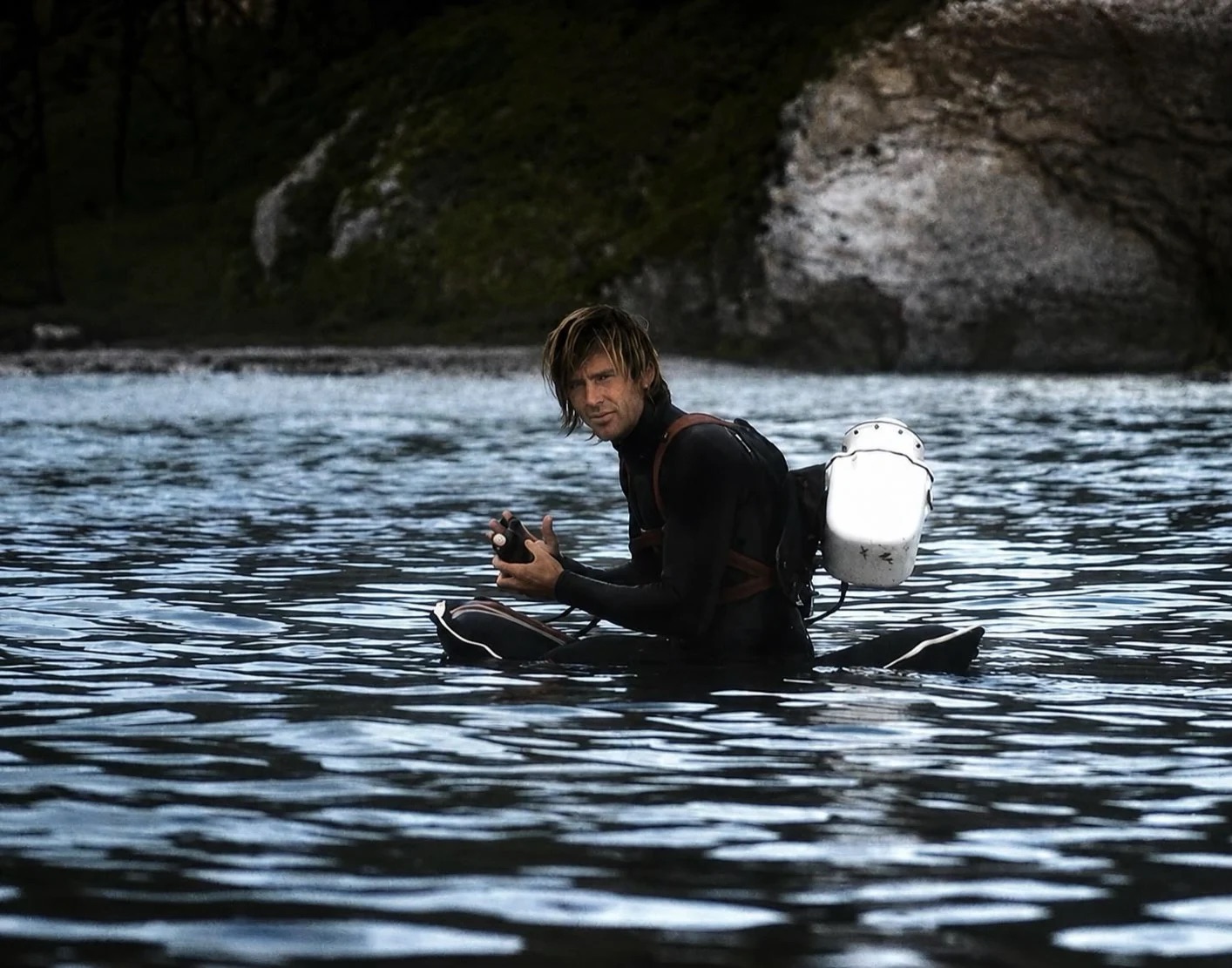
The water connection extends beyond the sleeve. “Echoes” accompanies the closing sequence of Crystal Voyager, the 1973 surf film directed by David Elfick and written and narrated by surfer and filmmaker George Greenough.
Pink Floyd’s account describes Greenough discovering the track on a record his mother had bought him. Its roughly 23-minute length suited his footage. The filmmakers could not afford a conventional music fee, so an exchange followed: they could use the song, and the band could use the surfing footage as concert visuals.
For us, the pairing offers another way to experience the track’s patient movement. Water provides a visible rhythm for music that already seems to stretch and recede. It is a lovely final connection for an album whose cover begins by putting an ear beneath the surface.
Pink Floyd Meddle FAQ
When was Meddle released?
Pink Floyd’s official timeline lists 30 October 1971 for the US release and 5 November 1971 for the UK release. Those are the dates used here when marking its 55th anniversary in 2026.
What is on the Meddle album cover?
The artwork shows a close-up of an ear underwater, crossed by ripples. Pink Floyd’s official album page credits the artwork to Hipgnosis.
How long is Echoes?
The studio recording runs approximately 23 and a half minutes and occupies the entire second side of the original LP.
Was Meddle planned as a concept album?
Nick Mason has described the sessions as a group effort without a predetermined concept. Hearing connections between the tracks is part of the pleasure, but those interpretations should be distinguished from the band’s original plan.
Hear Meddle with fresh ears
These stories give you a few things to listen for: the piano behind the ping, the crowd inside “Fearless,” the strange guitar calls and the small pleasures of side one. Try playing the record in order, letting its shifts in pace do their work before “Echoes” begins.
If the sleeve or the music has stayed with you, explore Otherbrick’s Meddle designs for a piece to keep close. There is always another reason to return to Pink Floyd Meddle.



