
News
5 Little-Known Facts About Pink Floyd’s The Endless River
Here’s one of the strangest facts about The Endless River: “Autumn ’68” contains a recording made in June 1969. Here are five details that connect Pink Floyd’s 2014 album to an old pipe organ, a television advert, and a reunion that lasted one night.
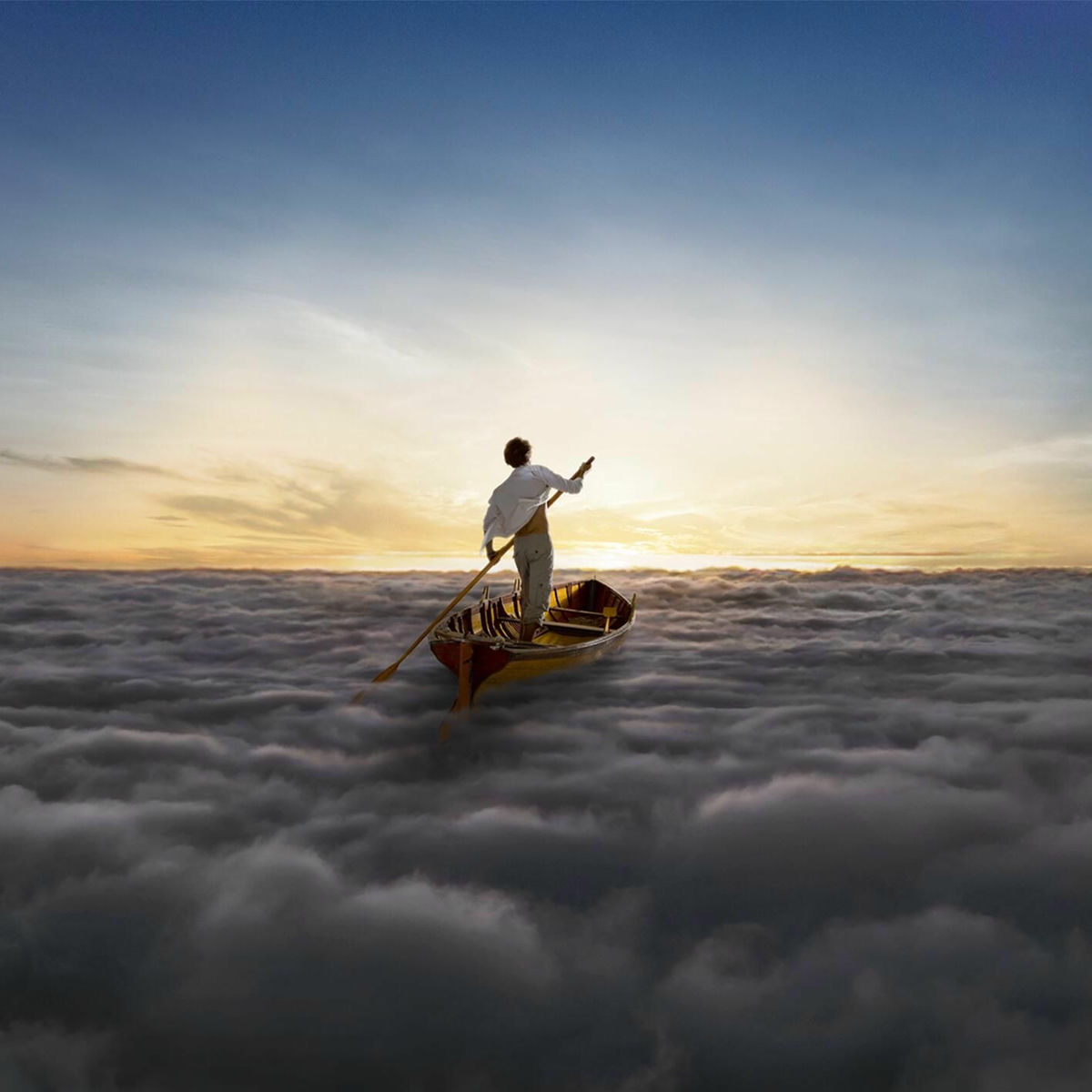
Table of Contents
1. “Autumn ’68” contains an organ recording from June 1969
During a rehearsal at London’s Royal Albert Hall on June 25, 1969, Richard Wright asked to play the venue’s pipe organ. As David Gilmour later recalled, they set up microphones and recorded Wright improvising on his own. The concert took place the following day. More than 45 years later, part of that rehearsal recording surfaced on The Endless River.
On side three, the organ sits between the two parts of “Allons-y.” Play those tracks in sequence and listen to how the pace changes. A piece of tape from the band’s early years becomes the pause between two bursts of a much later Pink Floyd.
2. The title comes from the end of “High Hopes”
The words that became the title of the 2014 album were already there in the closing lines of “High Hopes,” the final track on The Division Bell. The connection goes beyond the name. Much of The Endless River grew out of music David Gilmour, Nick Mason and Richard Wright played together while working on the earlier record.
Try playing “High Hopes” and then “Things Left Unsaid,” the opener on The Endless River. One ends with Gilmour’s voice and lap steel in the foreground. The other opens with a slow build of keyboards and guitar. Hearing them back to back makes the shared history easier to feel. Our guide to Pink Floyd’s longest pieces picks up on how the 2014 album flows as a whole.
3. Stephen Hawking’s voice comes from a BT advert
That electronic voice on “Talkin’ Hawkin’” belongs to Stephen Hawking. Pink Floyd sampled it from a 1994 British Telecom advert, the same source they had used for “Keep Talking” on The Division Bell. If you recognise the sound before you recognise the words, there’s a good reason. Twenty years separate the albums, but the voice comes from the same place.
Put the tracks side by side and listen for how the band uses speech in each. On the mostly instrumental The Endless River, even a brief spoken passage changes how you hear the space around it. It’s another connection between two records that already share a recording history.
You Might Also Like





4. A one-night reunion helped inspire “Louder Than Words”
Pink Floyd’s Live 8 reunion in 2005 brought David Gilmour, Nick Mason, Richard Wright and Roger Waters back onstage together. The experience helped inspire Polly Samson’s lyrics for “Louder Than Words,” the closing track on The Endless River. The album’s musical roots go back to the Division Bell sessions, while the story behind those words belongs to a later moment.
It takes almost the whole album to reach that full lead vocal. By then, you’ve spent most of the record hearing the band communicate mostly through their instruments. When Gilmour finally sings the closing song, Samson’s words give that way of playing together a name.
5. The album cover appeared in ten cities before release
On September 22, 2014, Pink Floyd announced details of The Endless River while its artwork appeared in ten cities. London’s Southbank got an eight-metre illuminated installation. An image that looks quiet enough to disappear into the mist was suddenly big enough for people to stop and take in together.
Ahmed Emad Eldin conceived the boat on a river of clouds. Pink Floyd also credits Aubrey Powell and Stylorouge for the finished artwork.
See the artwork before your next listen
Of these five facts about The Endless River, the cover story is the one you can revisit before the needle drops. If you’re thinking about where to hang the image, our guide to decorating with Pink Floyd posters has ideas for a listening corner. For the boat and the sea of clouds, take a look at our print of The Endless River artwork.



