
News
Pink Floyd Meddle: The Turning Point Before Dark Side
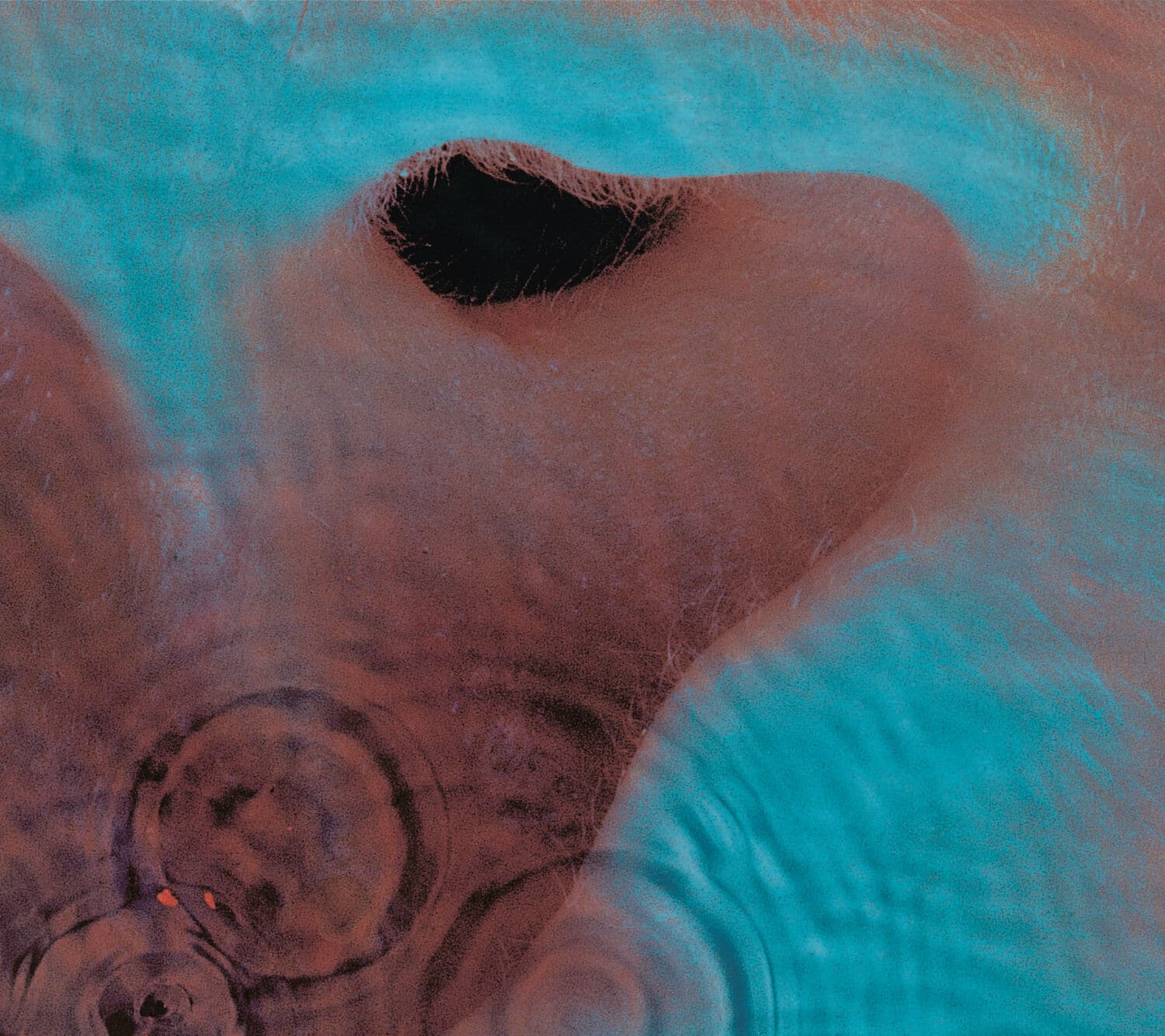
Table of Contents
Where Pink Floyd Stood Before Meddle
One useful way to approach Meddle is to listen for the sound of collaboration. Pink Floyd’s official album history describes it as a return to working together in the studio after the more fragmented recording processes behind Ummagumma and Atom Heart Mother. That gives the record a compelling place in the band’s story: experimentation was becoming a shared language.
The practical work began early. Sessions at Abbey Road started on January 4, 1971, with engineers John Leckie and Peter Bown. By July 19, work had moved to Morgan Sound, including final mixes for “Echoes.”
Keep that gradual development in mind when listening. An album can feel inevitable once it becomes familiar, as though its shape was obvious from the beginning. Meddle is more interesting when you imagine the decisions still open: which ideas deserved more space, which belonged together, and how much uncertainty a listener might follow.
Pink Floyd Meddle: Two Sides, Different Possibilities
The original running order makes the album’s central contrast clear. Side A contains five songs; Side B belongs entirely to “Echoes.”
| Side A | Side B |
|---|---|
|
Echoes |
That imbalance is part of the pleasure. You move through several distinct moods before settling into one extended piece.
As a listening experience, “One of These Days” gives the record an urgent opening. “A Pillow of Winds” invites a quieter kind of attention, while “Fearless” offers a melody worth sitting with rather than rushing past. “San Tropez” introduces a lighter atmosphere, and “Seamus” adds an eccentric closing turn to the first side.
Give each song room to establish its own character. Jumping directly to “Echoes” means missing the changes in scale that make the complete album so rewarding.
For a first listen, follow the sequence. For a second, return to whichever Side A track stayed with you. There is more than one route into this record.
From “Nothing” to “Echoes”
The beginnings of “Echoes” are wonderfully unassuming. The musicians created separate fragments without knowing what the others had done. These experiments became “Nothing,” then “Son of Nothing” and “Return of the Son of Nothing,” before developing into “Echoes.”
There is also something concrete for curious fans to hear. The 1971 REVERBER/ATION track listing includes “Nothing Part 14,” an “Echoes” work in progress recorded during the Meddle sessions. The same release includes a performance of “Echoes” from the September 30, 1971 BBC session.
Those recordings offer a different way into album history. Instead of treating the finished piece as a fixed monument, you can compare stages and versions, listening for what changes your sense of the whole.
Our story behind Pink Floyd’s “Echoes” explores the song further. Within Meddle, its essential role is structural: it asks you to give one composition the attention normally spread across an entire album side.
Meddle and the Pompeii Connection
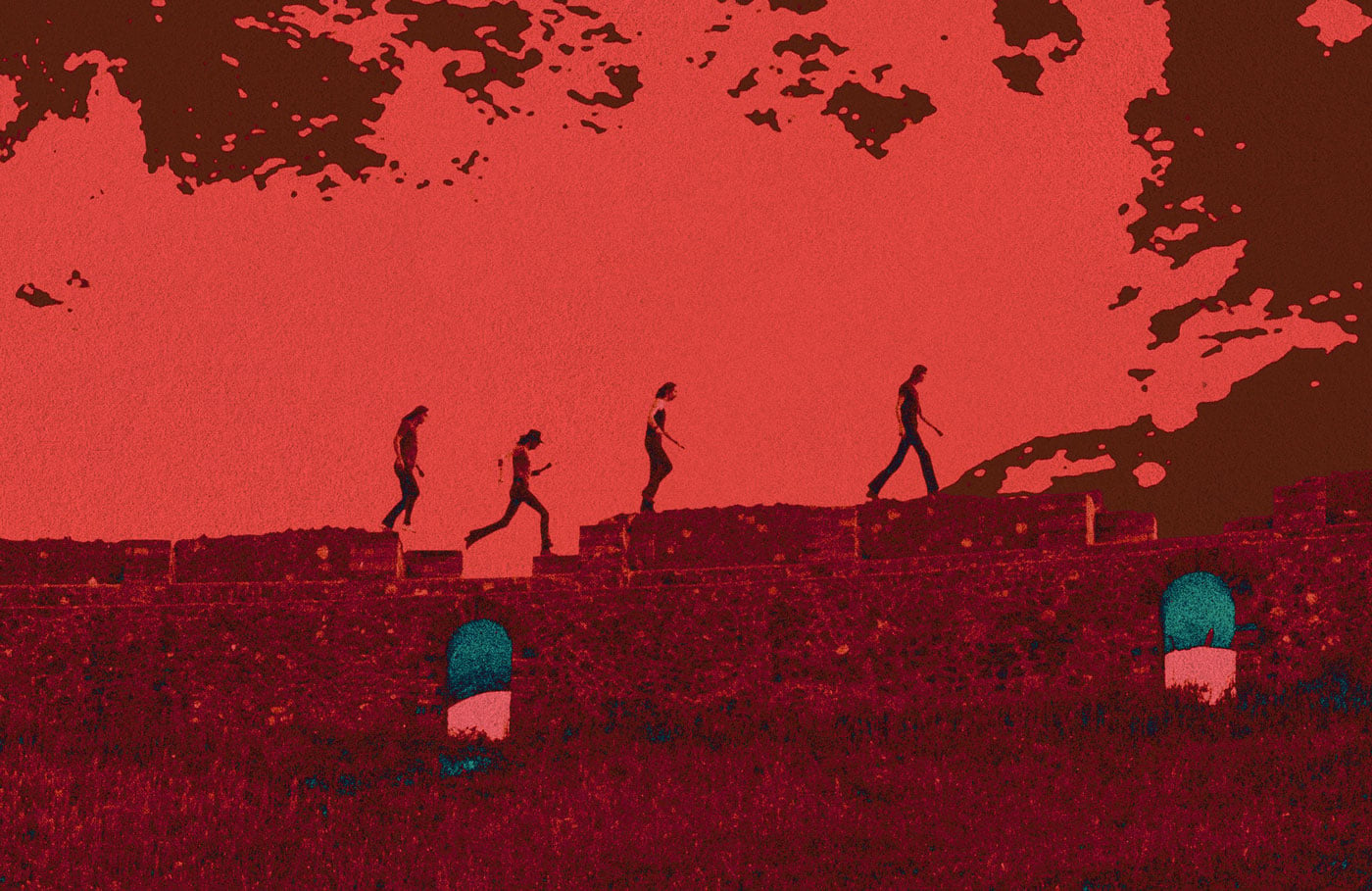
The dates make the connection especially interesting. Pink Floyd began four days of filming at Pompeii on October 4, 1971. Meddle followed on October 30 in the United States and November 5 in the United Kingdom. The film reached general release in the UK in 1972.
The performance therefore captures the band during the album’s own moment of arrival. “Echoes” and “One of These Days” feature in a setting without an audience, surrounded by the ancient amphitheatre.
Watching after hearing the album can shift your attention. On record, it is easy to become absorbed in the overall atmosphere. On film, the musicians’ physical presence brings the playing into focus. The setting also gives the music an extraordinary sense of space.
You Might Also Like






Try the studio album first and Pompeii afterwards. Each offers a different perspective on the same creative period.
Why Meddle Matters Before The Dark Side of the Moon
“Echoes” is widely regarded as laying the groundwork for The Dark Side of the Moon. That is a helpful historical framing, rather than proof that every later achievement began with this one recording.
The comparison becomes most useful when it changes how you listen. Pay attention to pacing, the space between more active passages, and the relationship between individual moments and the larger musical journey. These are the qualities that make extended listening feel purposeful.
The later album had its own substantial recording process. The Dark Side sessions at Abbey Road ran from May 30, 1972, to February 9, 1973.
Meddle deserves attention on its own terms, too. Its variety leaves room for playfulness and sudden changes in mood. Thinking of it only as preparation for a more famous record can make those qualities too easy to overlook.
If you are exploring the wider catalogue, our selection of Pink Floyd albums every music lover should own offers more listening ideas.
A New Reason to Revisit Meddle in 2026
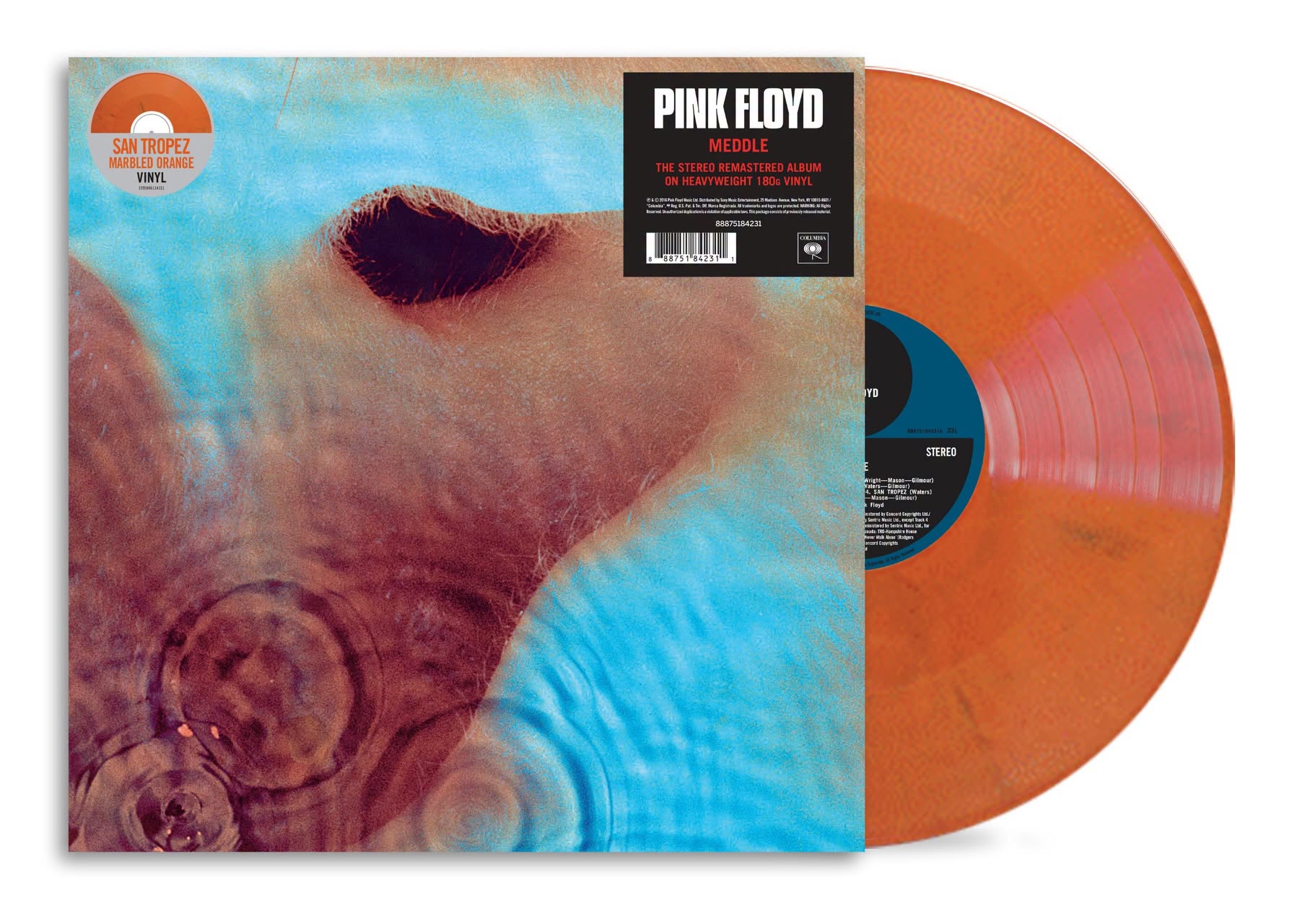
On September 18, 2026, Pink Floyd announced a San Tropez Orange Marble vinyl edition of Meddle, scheduled for October 17 through Sony Music for National Album Day. A restored “Echoes” sequence from the 1973 surf film Crystal Voyager is also scheduled to appear on the band’s YouTube channel that day.
The film connection has a memorable origin. George Greenough discovered the track through a record his mother bought him. An agreement allowed the filmmakers to use the music while Pink Floyd could use their footage during live shows.
That story offers another listening experiment: hear the piece without pictures, then experience it with the film. Notice how an image can direct your attention towards a detail you previously passed over.
Frequently Asked Questions About Meddle
When was Meddle released?
Meddle was released on October 30, 1971, in the United States and November 5, 1971, in the United Kingdom.
Was Meddle successful when it came out?
Its initial chart performance differed considerably between markets: it reached No. 3 in the UK and No. 70 in the US. Those positions provide context without telling us everything about the album’s subsequent reputation.
Where should a new listener start?
Start at the beginning and keep the original order. The shorter songs let you experience several sides of the band before the extended closing piece. Afterwards, revisit a favourite track rather than feeling obliged to rank everything immediately.
What should you explore after the album?
The Pompeii performance is a natural next step. For a closer look at the creative process, seek out “Nothing Part 14” on 1971 REVERBER/ATION. Comparing those experiences can make your next listen to the album more revealing.
Give the Whole Album a Listen
Set aside enough time for both sides, let the changes in mood happen, and resist turning the first listen into a search for the most famous passage. The smaller moments give the bigger ones their setting.
For a visual reminder of this period, explore OtherBrick’s Pink Floyd Pompeii 1971 poster. Then put the record on again: Pink Floyd Meddle rewards the return.



