
News
Pink Floyd: The Wall in 2026 Why the Legend Keeps Breaking Through
Five decades since its creation, The Wall has never felt more alive. A new compilation, a sold-out tribute tour, a 35mm cinema revival, and a declaration from Roger Waters himself, the brick-by-brick mythology of Pink Floyd is being rebuilt in real time.
If you have been anywhere near a music community in the last few weeks, you will have felt it: a strange, thunderous momentum gathering around Pink Floyd. Not the casual nostalgia of a weekend playlist, but something more urgent. Threads blowing up on Reddit. TikTok edits of “Another Brick in the Wall” are racking up millions of views. Roger Waters is making statements that split the internet clean in two. And a new album announcement that nobody fully expected.
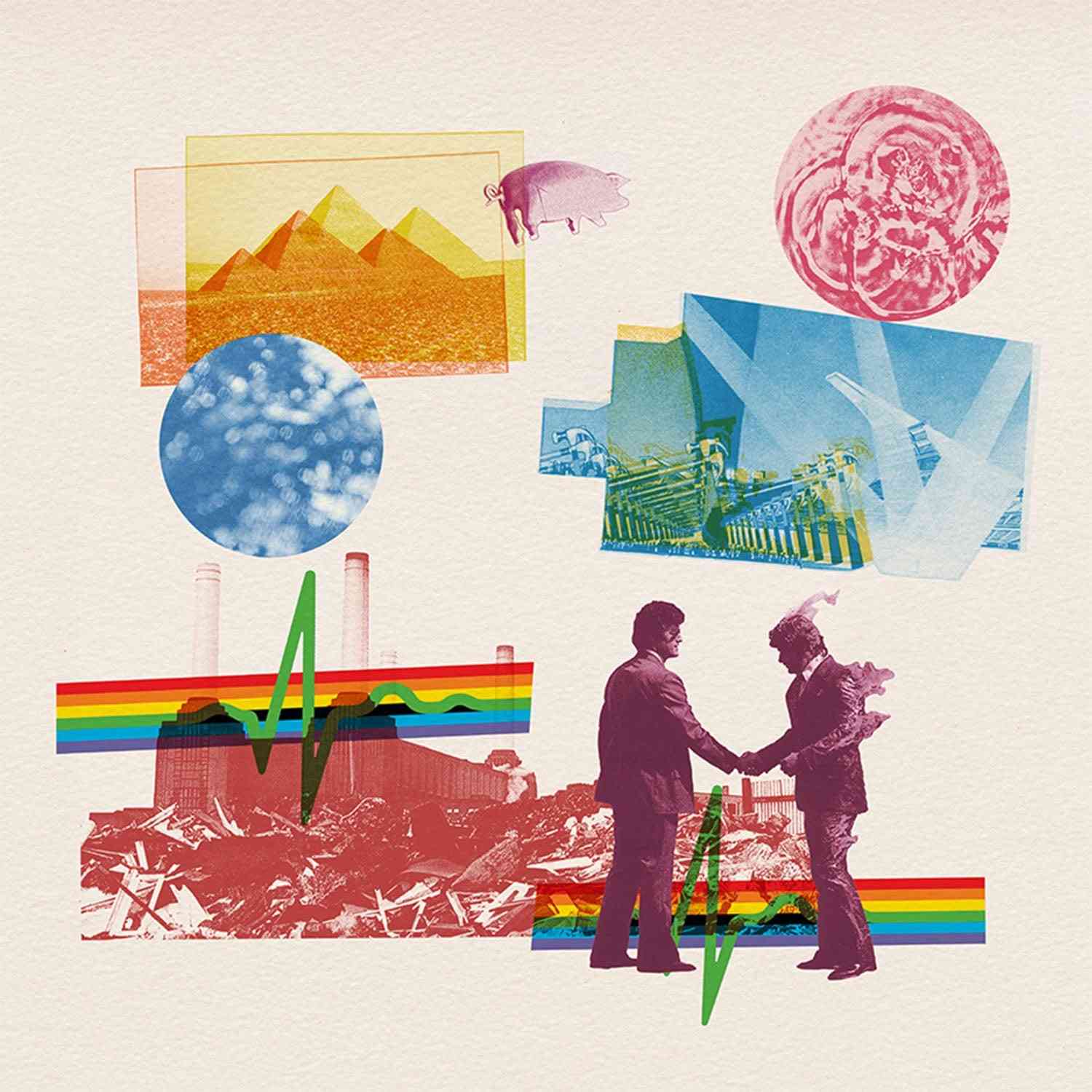
Here is everything happening right now, and why it all matters.
Table of Contents
Pink Floyd Announces “8-Tracks”: A New Compilation Arriving June 5, 2026
This is the headline story, and it is a significant one. Pink Floyd officially announced a brand new compilation album titled 8-Tracks, releasing on June 5, 2026, across vinyl, CD, and digital platforms. The collection brings together eight defining tracks recorded between 1971 and 1979, the band at their absolute peak.
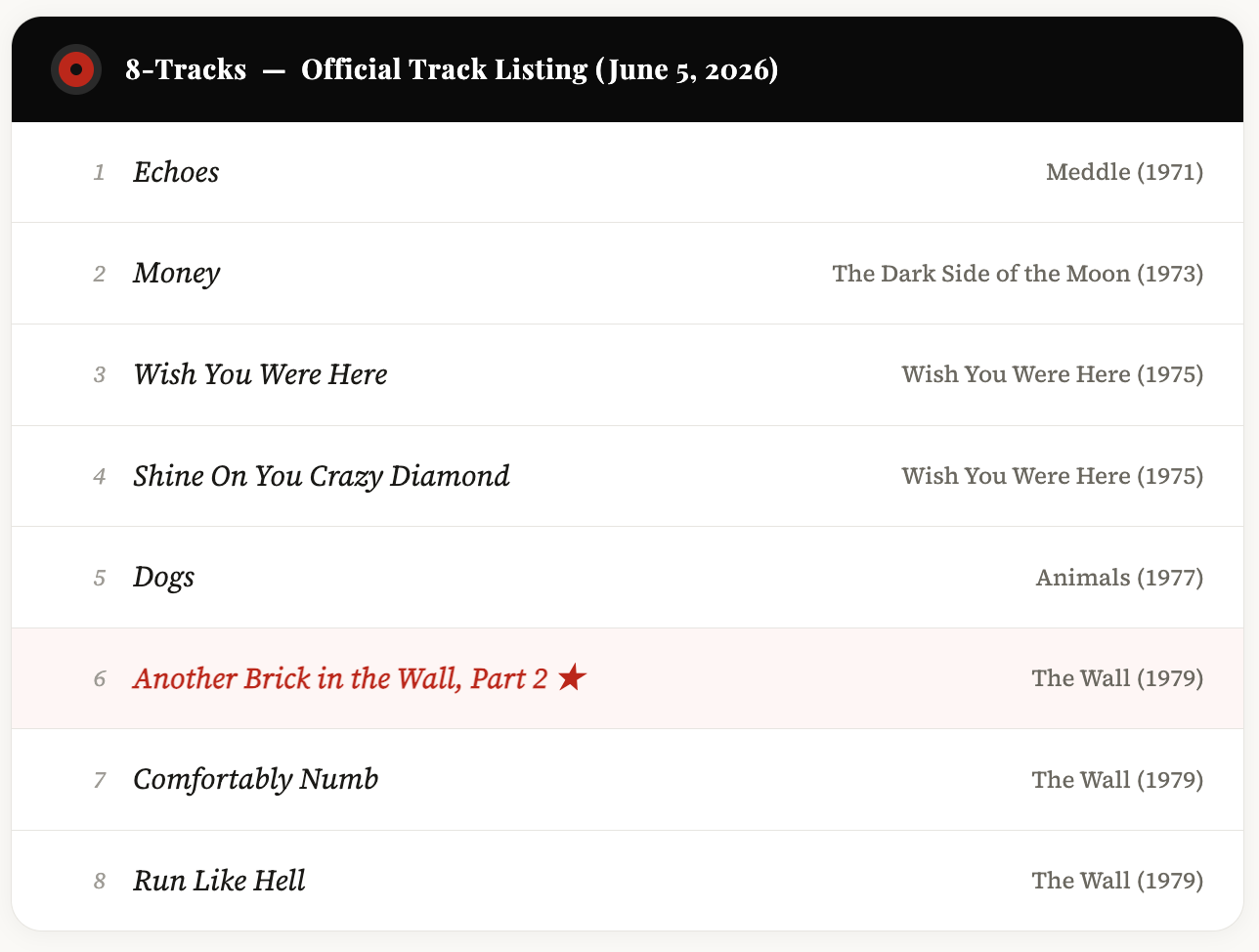
Three of the eight tracks come from The Wall itself, which feels less like a coincidence and more like a curatorial statement. The vinyl edition in particular is already generating enormous pre-order interest, with limited pressings expected to sell out quickly.
Roger Waters Says It Plainly: “The Wall Is the Pinnacle”
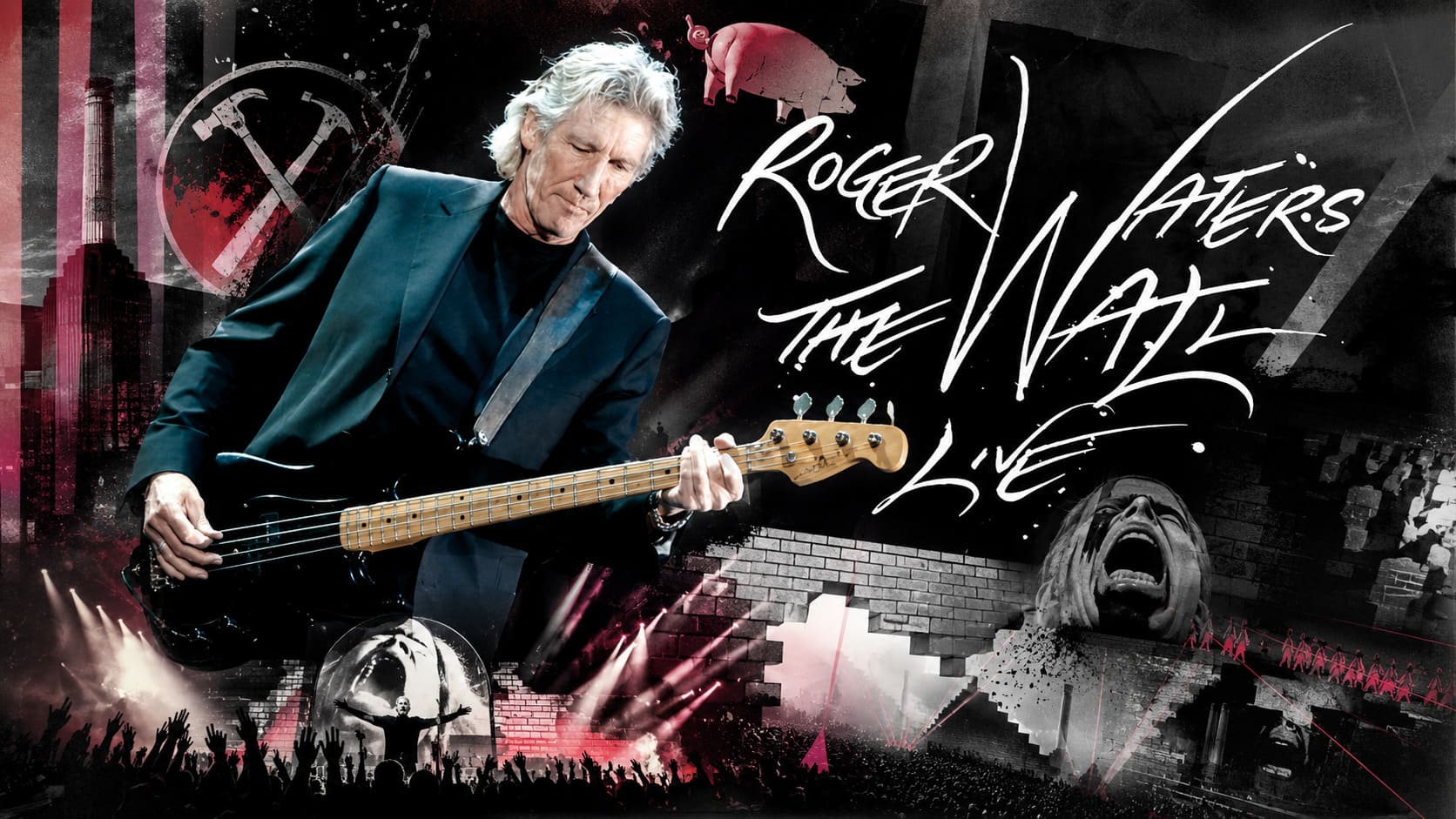
On April 25, 2026, Roger Waters broke a relative silence to make perhaps the boldest claim in the ongoing conversation about Pink Floyd’s legacy. In a widely shared statement, the co-founder and principal architect of The Wall declared the album to be the band’s greatest achievement, not just commercially, but technically and philosophically.
The Wall is the most complete thing we ever did. It says something true about human isolation that nothing else we made quite reaches.
Roger Waters, April 2026
Predictably, this ignited an enormous debate. For a significant portion of the fanbase, The Dark Side of the Moon remains the untouchable peak. Others champion Wish You Were Here for its emotional intimacy. Waters’ declaration, whether you agree or not, has had the effect of forcing a fresh reckoning with The Wall as a philosophical object rather than merely a rock opera or a commercial landmark.
What makes the statement particularly interesting is its timing. Coming just weeks before the 8-Tracks announcement, it reads almost like a deliberate recontextualization, a reminder that The Wall is not simply the album that sold 30 million copies. It is a document about the architecture of loneliness, built brick by brick across two LPs.
Brit Floyd’s 2026 North American Tour: The Wall, Live and Massive
While the original band no longer tours, Brit Floyd, widely regarded as the world’s premier Pink Floyd tribute act, is currently midway through an extraordinary North American run titled The Moon, The Wall and Beyond. The tour runs from February through September 2026, covering dozens of cities with a production scale that few tribute acts can match.
| Month | Region | Focus |
|---|---|---|
| February / March | Midwest and Eastern US | Opening run, The Wall material |
| April / May | Western US and Canada | Full setlist including DSOTM |
| June / July | Southern US and Texas | Peak summer shows |
| August / September | Northeast and final dates | Closing run |
The production employs full surround sound, a massive LED rig, and projections closely modeled on the original 1980 and 1981 Floyd performances. For fans who never had the chance to see the band live, this tour represents something genuinely irreplaceable.
Why Brit Floyd matters more than most tributesUnlike many tribute acts that simply recreate setlists, Brit Floyd was formed by musicians who have spent years studying the original performances down to the exact signal chains and effects used by Gilmour and Waters. The result is not imitation, it is something closer to restoration.
The Wall (1982) Back on 35mm at Vidiots, Los Angeles
On May 22, 2026, the beloved independent cinema Vidiots in Los Angeles held a special 35mm screening of Alan Parker’s 1982 film adaptation of Pink Floyd: The Wall. The event attracted a mixed audience of longtime devotees and first-time viewers discovering Gerald Scarfe’s animation on the big screen for the first time.
You Might Also Like



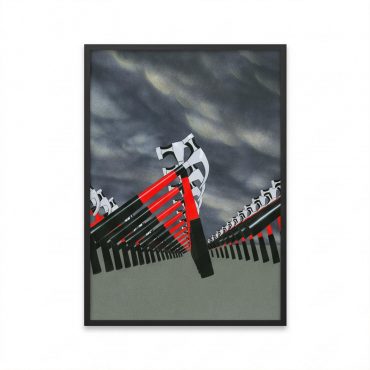
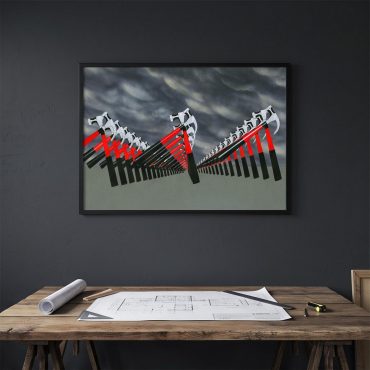



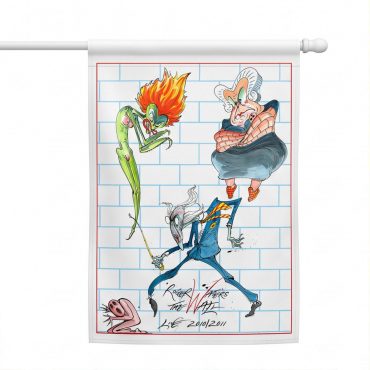
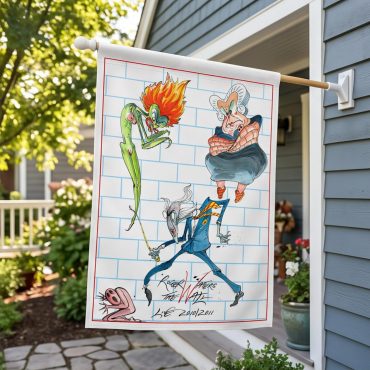


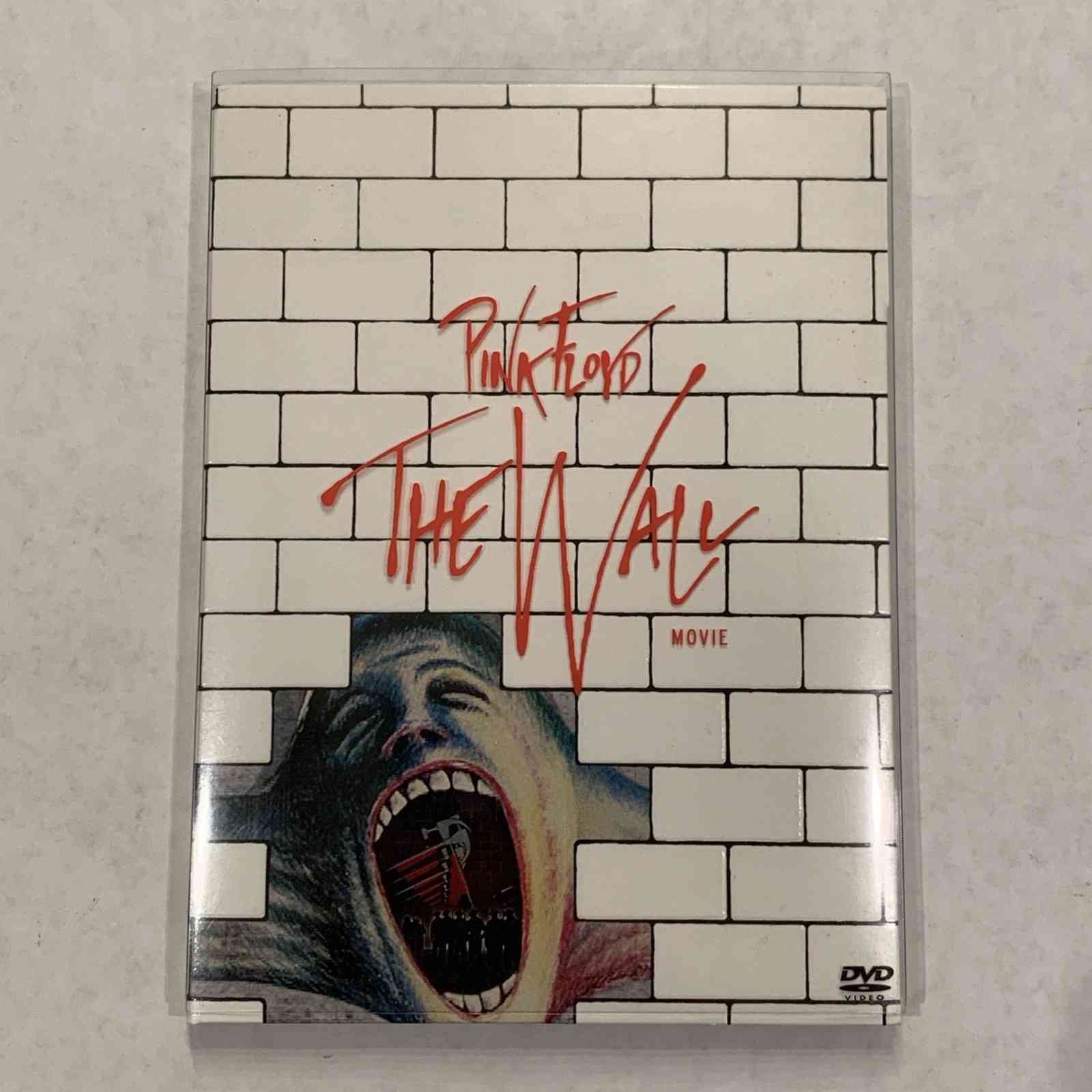
The film, co-written by Roger Waters and directed by Parker, with animation by Scarfe. remains one of the most genuinely uncompromising pieces of music cinema ever produced. Its imagery of marching hammers, barbed wire flowers, and walls collapsing under the weight of suppressed memory has not dated. If anything, it has grown more resonant.
Pink Floyd: The Wall (1982) at a glanceDirected by Alan Parker. Animated sequences by Gerald Scarfe. Starring Bob Geldof as Pink. Runtime 95 minutes. Originally released July 14, 1982. Shot almost entirely without conventional dialogue, the film unfolds as a visual interpretation of the album’s double LP structure, isolation, trauma, repression, and the eventual collapse of the internal wall.
Reddit Is Talking, and the Arguments Are Excellent
Across r/pinkfloyd and r/Music, the past several weeks have produced some of the most thoughtful fan discourse the communities have seen in years. The catalyst, predictably, was Waters’ declaration about The Wall, but the threads quickly evolved into something far richer: genuine debate about what makes a Pink Floyd album great.
The central argument playing out across thousands of comments can be roughly summarized as follows. One camp holds that The Dark Side of the Moon is the superior work because of its sonic coherence and the elegance with which it contains its ambitions. The opposing view, gaining ground in recent weeks, argues that The Wall’s very excess is the point: it is a record about a person constructing an enormous emotional fortress, and the album’s sprawl is inseparable from its meaning.
A third and often underrepresented position points to Wish You Were Here as the most emotionally direct album the band ever made, and therefore the most honest.
What is striking about the current conversation is its quality. These are not flame wars. They are extended, generous, evidence-based arguments about craft, intention, and legacy, the kind that great albums have always inspired and that most contemporary releases rarely provoke.
Why The Wall Refuses to Become a Period Piece
There is a version of this story in which The Wall is simply a relic: a grandiose 1979 double album by a band in internal collapse, about a rock star’s breakdown, presented as a theatrical concept that requires too much context to fully appreciate. That version of the story has never quite held.
The reason is not nostalgia. It is that the album’s central subject, the psychological wall a person builds to protect themselves from the world, and the catastrophic cost of completing it, is one of the few themes in popular music that genuinely resonates rather than diminishing. The older the listener, the more material the metaphor becomes.
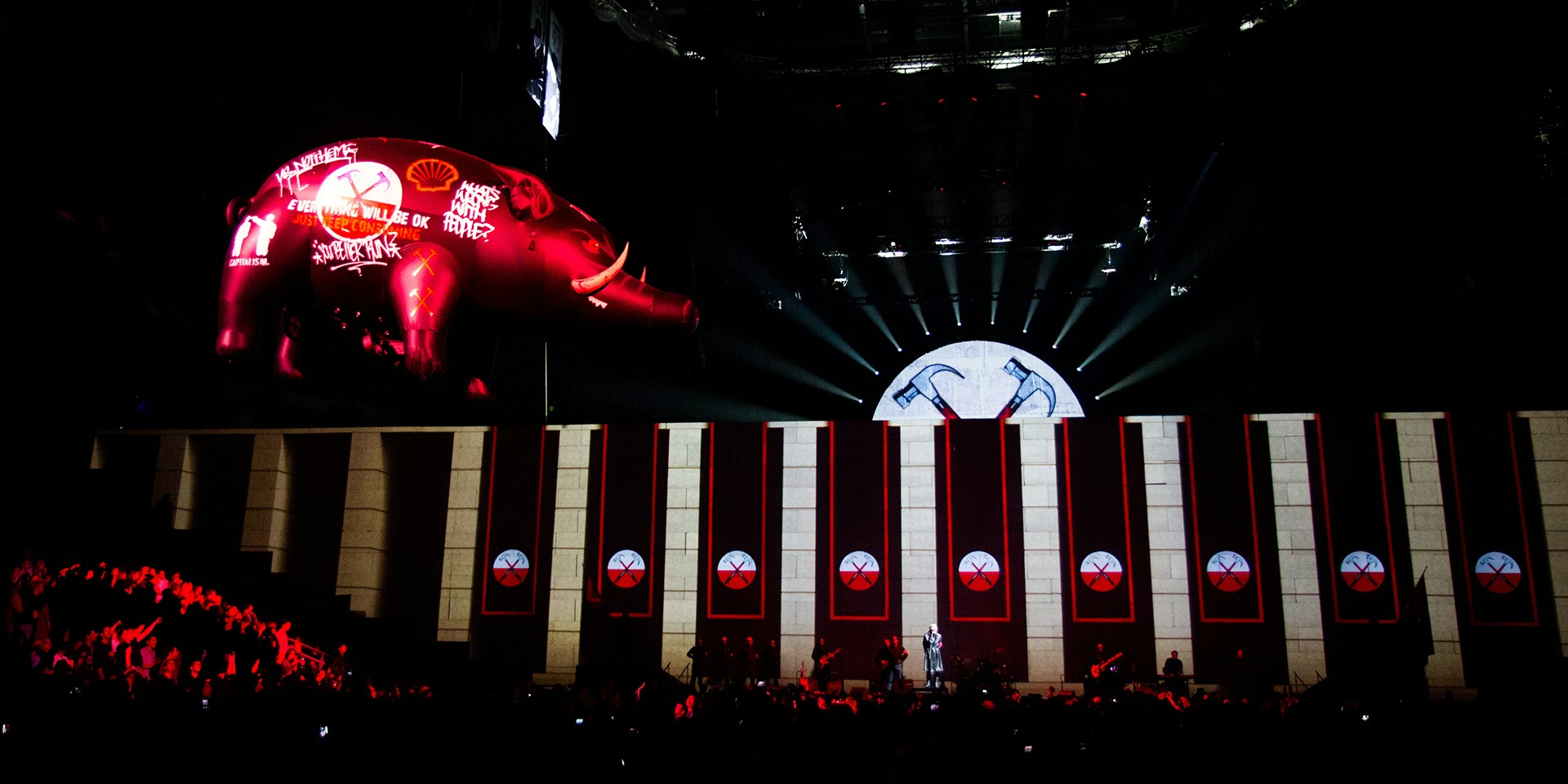
Roger Waters wrote The Wall in 1979 partly in response to a moment during the In the Flesh tour when, overwhelmed and alienated, he spat at a front-row fan. That act of rupture became the conceptual seed of the entire album. What he built from it was not a confession but a forensic examination: where does a wall come from? How is it assembled, layer by layer, through loss and control and fear? And what exactly is left when it finally falls?
Those questions are not period-specific. They belong to no decade.



