
News
Pink Floyd If You Don’t Eat Your Meat Meaning
“How can you have any pudding if you don’t eat your meat?” is one of the most quoted lines in rock history, and it’s not really about dinner. Here’s what Pink Floyd actually meant, and why it still hits hard decades later: “How can you have any pudding if you don’t eat your meat?” is one of the most quoted lines in rock history, and it’s not really about dinner. Here’s what Pink Floyd actually meant, and why it still hits hard decades later.

Table of Contents
The Line in Context: “Another Brick in the Wall, Part 2”
The lyric comes from Another Brick in the Wall, Part 2, the centerpiece of Pink Floyd’s 1979 double album The Wall. The song is set inside a classroom where a sadistic teacher terrorizes his students, reading their private poetry aloud, mocking them in front of their peers, and demanding blind obedience as the price of any reward.
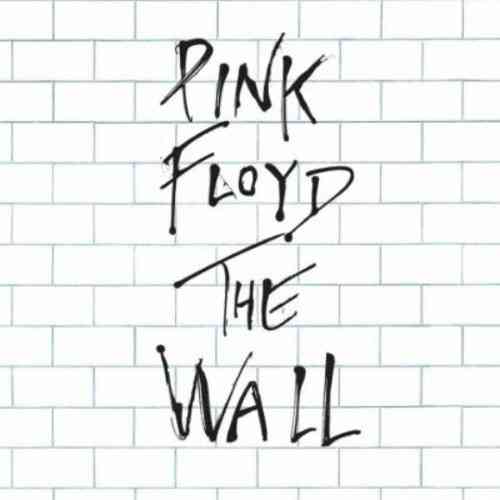
The “meat” in the teacher’s question isn’t a literal meal. It’s the dull, numbing conformity the school system demands: homework done without question, creativity suppressed, individuality stamped out. The “pudding”, the sweet reward dangled just out of reach, represents everything the system promises but never delivers: freedom, joy, genuine self-expression.
What makes the line so cutting is its circular logic. The teacher uses food as a control mechanism, but Roger Waters’ point is that the pudding never comes. Submit, comply, perform, and you’ll still be left hungry. The system doesn’t reward obedience with freedom. It just demands more obedience.
Roger Waters Wrote This from Memory
The Wall is not an abstract concept album. For Roger Waters, it was deeply personal. Waters grew up in post-war Britain, shaped by the loss of his father, Eric Fletcher Waters, who was killed in the Battle of Anzio in 1943 when Roger was just five months old. Without a father figure, Waters navigated a rigid British school system largely alone, and he found it brutal.
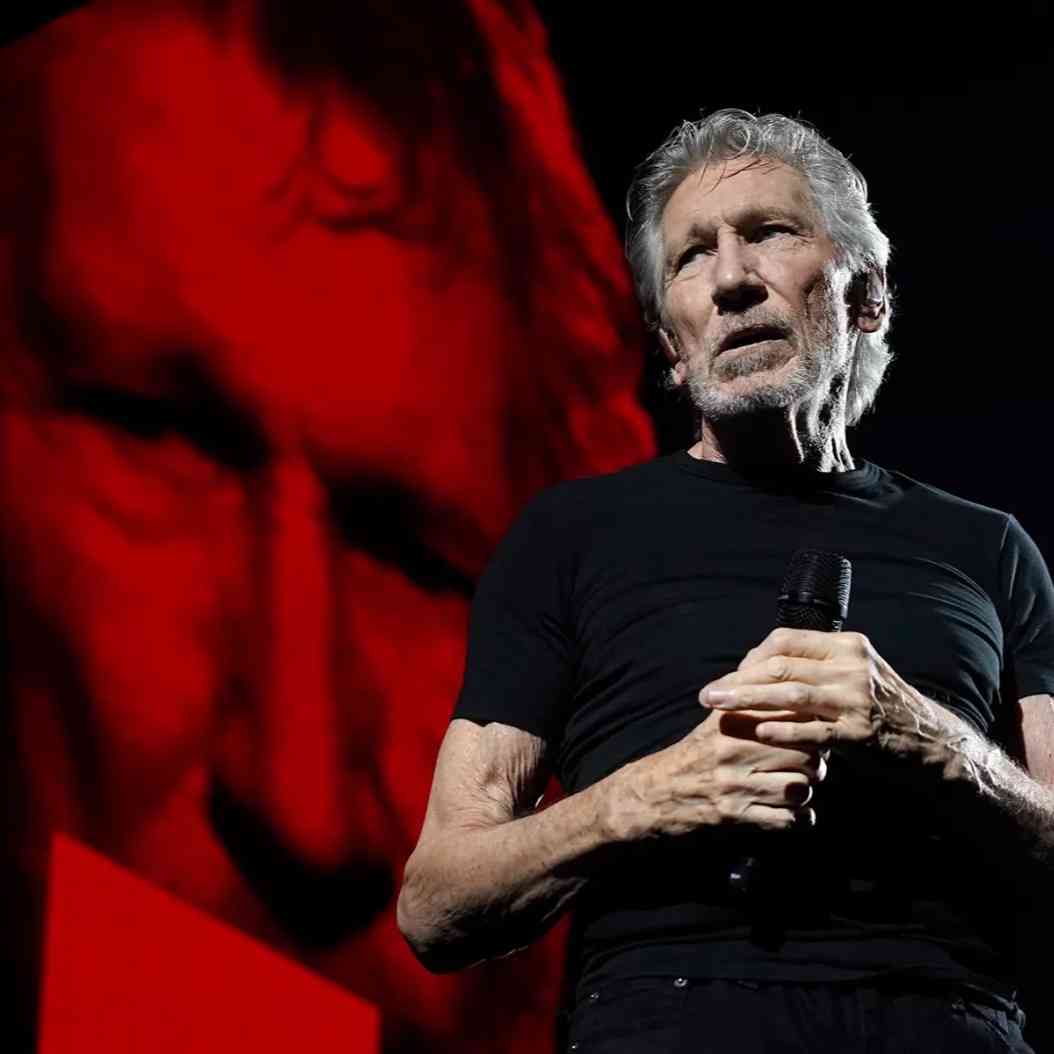
In interviews, Waters has described teachers who wielded humiliation as a classroom tool, punishing any student who dared show creativity or individuality. The authoritarian teacher in Another Brick in the Wall, Part 2 is not a composite character. He’s a direct portrait of real figures Waters encountered, mapped onto the album’s central metaphor: every act of cruelty, every suppression of identity, is another brick in the emotional wall Pink builds around himself.
This is why the line lands with such absurd menace. It perfectly captures the logic of institutions that control through petty rules, because authority always sounds most ridiculous when it speaks in the language of the mundane.
Why “We Don’t Need No Education” Still Rattles Schools
The song sparked genuine controversy when it was released. Schools in South Africa banned it during the anti-apartheid protests of 1980, where students adopted it as an anthem against the Bantu Education Act, a law specifically designed to limit Black South Africans’ access to quality education. The fact that a Pink Floyd song became a rallying cry in one of the most serious civil rights struggles of the 20th century says everything about how universal Waters’ theme was. In the UK and US, some school districts also moved to ban the song, which only amplified its reach. By 1980, Another Brick in the Wall, Part 2 had topped charts in both countries, Pink Floyd’s only number-one single in the UK.
You Might Also Like


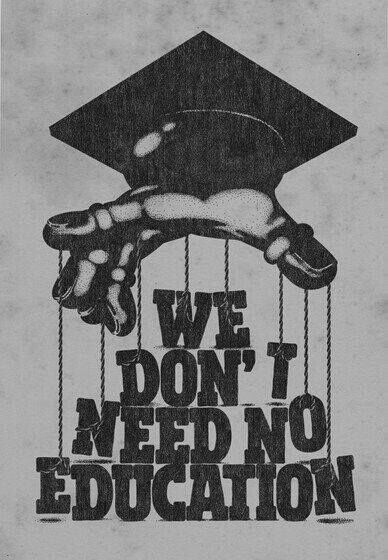
The irony Waters intended was clear: an institution banning a song about institutional overreach only proved the song’s point.
The Wall Merchandise – Wear the Rebellion
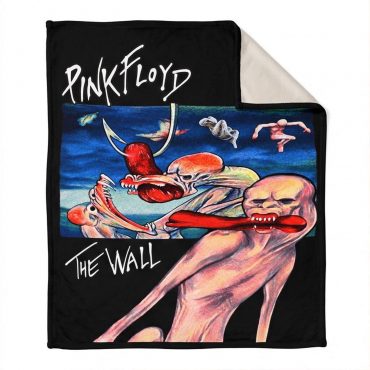
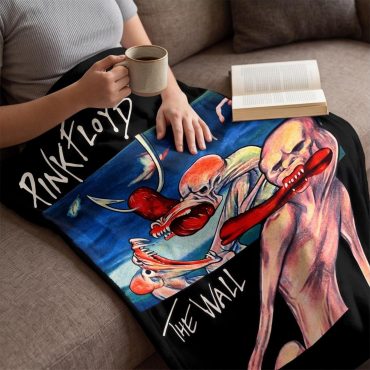
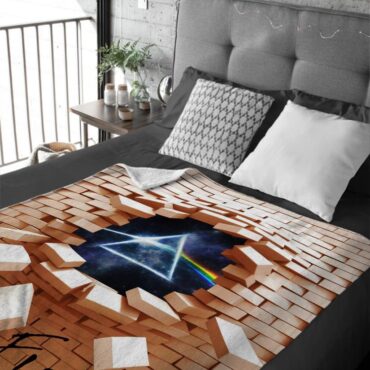
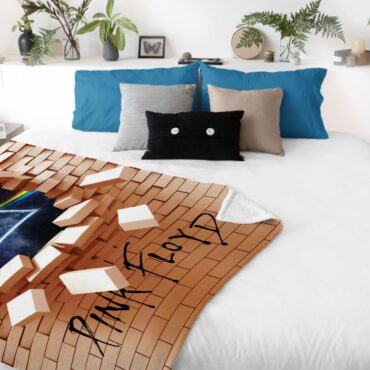
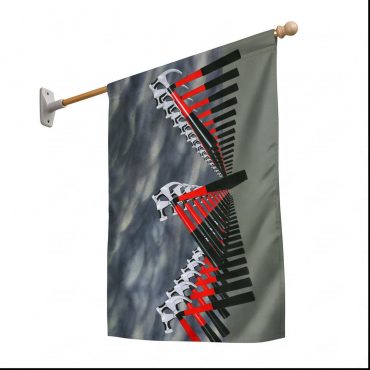
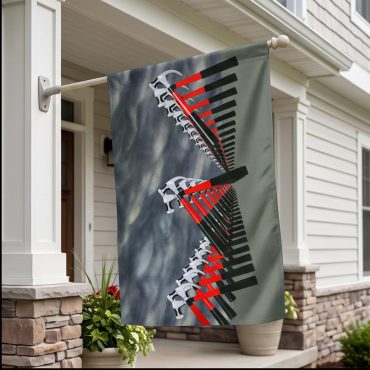
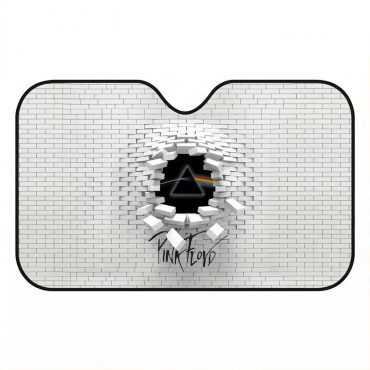
For fans who’ve lived with The Wall since 1979, or discovered it decades later and felt it speak directly to them, the album’s imagery is more than artwork. The marching hammers, the expressionless schoolchildren, the crumbling wall itself: these are symbols of a very specific kind of defiance.
If you want to carry that with you, our Pink Floyd The Wall collection has you covered, from t-shirts and hoodies to posters and home décor, all printed with The Wall’s most iconic visuals. It’s the kind of merch that doesn’t need explaining to anyone who knows.
Conclusion: The Brick That Never Gets Old
Forty-five years on, the “if you don’t eat your meat” line still makes people laugh, and then think. That’s the genius of Roger Waters’ writing on The Wall: he used something as mundane as a dinner table ultimatum to expose the machinery of control beneath it.
It’s not about pudding. It’s about every institution that uses small, petty rules to keep people from discovering who they actually are.
If The Wall is part of your story, explore our Pink Floyd The Wall merch collection, and wear the album that said what a lot of us couldn’t put into words.



