
News
Why David Gilmour Refuses to Play “Echoes” Live
“Echoes” is widely regarded as the moment Pink Floyd stopped experimenting and started building the architecture that would define their greatest work. Yet David Gilmour has quietly refused to perform the 23-minute epic live for years, and the reason has nothing to do with the song’s technical demands. Behind that silence lies a tribute to the late Richard Wright, and to a musical partnership Gilmour has decided simply cannot be recreated by anyone else.
Table of Contents
A 23-Minute Odyssey the World Rarely Hears Live Anymore
Ask any serious Pink Floyd devotee to name the moment the band stopped being a psychedelic curiosity and became architects of progressive rock, and the conversation inevitably lands on one track: “Echoes.” Closing out 1971’s Meddle, this 23-minute suite is widely regarded as the hinge point of the band’s entire career, the record where the loose, acid-soaked experimentation of the late ’60s finally cohered into something structurally ambitious enough to set the stage for The Dark Side of the Moon two years later.
And yet, for all its stature in the Floyd canon, “Echoes” has become something of a ghost in David Gilmour’s live repertoire. He simply won’t play it. For a musician who has spent decades revisiting “Comfortably Numb,” “Wish You Were Here,” and “Shine On You Crazy Diamond” on solo tours, the deliberate absence of “Echoes” says a great deal, and the reason behind it is more moving than most casual listeners realize.
The Making of a Progressive Rock Landmark
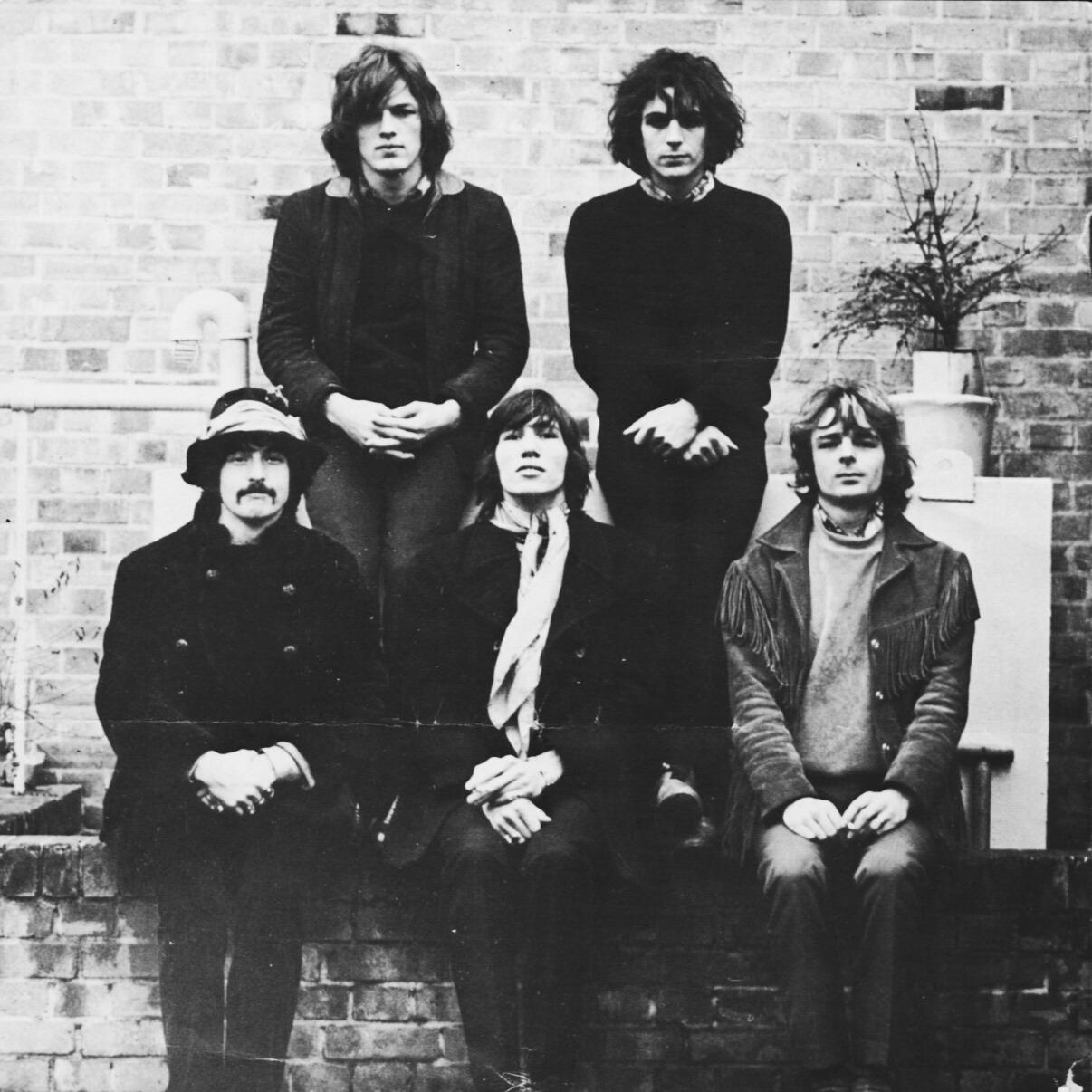
What separates “Echoes” from most Pink Floyd compositions of the era is how it came together. Rather than arriving as a fully-formed song, it emerged organically from extended studio improvisation, with each member, Gilmour, Roger Waters, Richard Wright, and Nick Mason, shaping the piece collectively rather than working from a finished blueprint. That collaborative, almost democratic approach to composition would go on to define much of the band’s creative identity throughout the 1970s.
Musically, the track is a masterclass in tension and release: the famous “ping” opening (reportedly born from a studio accident with a grand piano note run through a Leslie speaker), the funk-tinged midsection, the eerie “seagull” guitar effects Gilmour coaxed from his wah pedal, and finally the soaring, cathartic guitar solo that many fans and critics alike consider one of the finest of his career. It’s a solo that doesn’t just showcase technical control; it demonstrates Gilmour’s rare gift for turning restraint and space into genuine emotional weight, a quality that would later define his work on “Comfortably Numb.”
So Why Won’t He Play It?
The answer isn’t creative fatigue or a falling-out with the material; it’s grief. “Echoes” was, in large part, a duet between Gilmour’s guitar and Richard Wright’s keyboards, and that dialogue was never something Gilmour felt he could replicate without Wright himself. Wright died of lung cancer in 2008 at 65, and by most accounts, his musical partnership with Gilmour ran deeper than ordinary bandmate chemistry. In a group notorious for its internal friction, particularly the long-running feud between Gilmour and Waters, Wright and Gilmour reportedly found in each other a kind of creative refuge, a working relationship largely free of the tension that defined so much of Pink Floyd’s history.
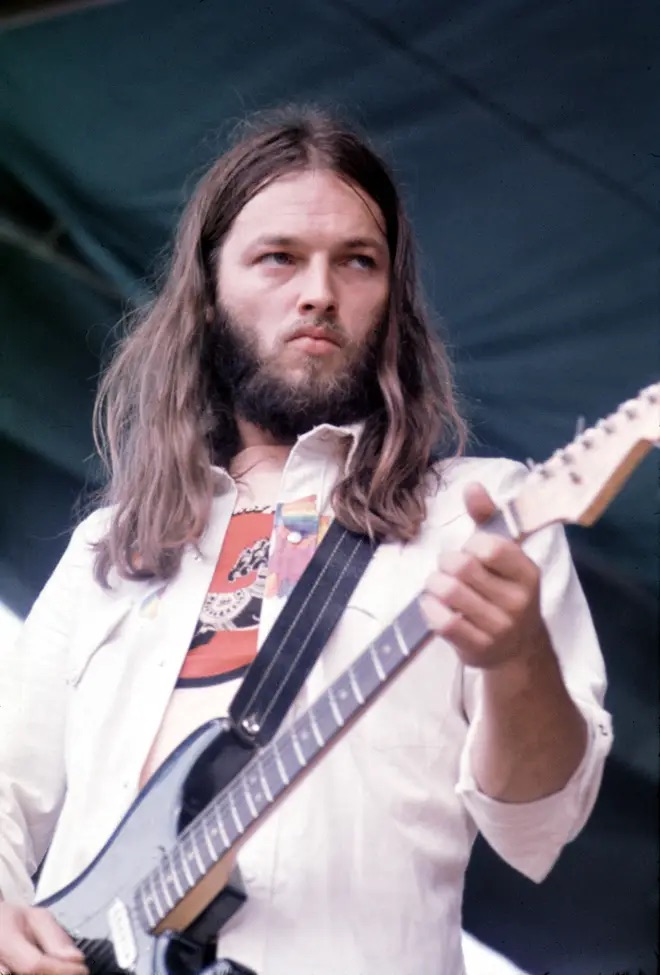
That bond is audible in the recording itself. Wright’s understated, atmospheric keyboard textures don’t just accompany Gilmour’s guitar lines; they create the emotional foundation that makes the guitar work land the way it does. It’s a genuinely symbiotic performance, and that’s precisely why Gilmour has treated it as something close to untouchable since Wright’s passing.
You Might Also Like












The Pompeii Moment That Confirmed It
The clearest public confirmation of this came in 2016, when Gilmour performed at the Amphitheatre of Pompeii, the same site where Pink Floyd had filmed their legendary Live at Pompeii performance 44 years earlier, famously including “Echoes.” Given the symbolism of the location, fans reasonably expected the song to make a return. It didn’t.
Speaking to Rolling Stone ahead of the show, Gilmour was candid about the omission, explaining that he wouldn’t play the piece without Rick Wright. He pointed to something specific and, frankly, correct about the way the two of them played together — an interplay so individual to their particular chemistry that no substitute musician could simply learn the parts and recreate it. For Gilmour, that kind of interpretive shorthand isn’t something you can teach; it’s the whole point of what makes music like this meaningful in the first place.
More Than Sentimentality: A Statement About What Music Actually Is
It would be easy to read Gilmour’s refusal as pure sentiment, but there’s a sharper artistic logic underneath it. “Echoes” wasn’t written as a guitar showcase with a keyboard backdrop; it was built as a genuine two-way conversation between two musicians who understood each other’s instincts in a way that can’t be notated or rehearsed into a stand-in player. Performing it without Wright wouldn’t just be emotionally hollow; by Gilmour’s own reasoning, it would misrepresent what the song actually is.
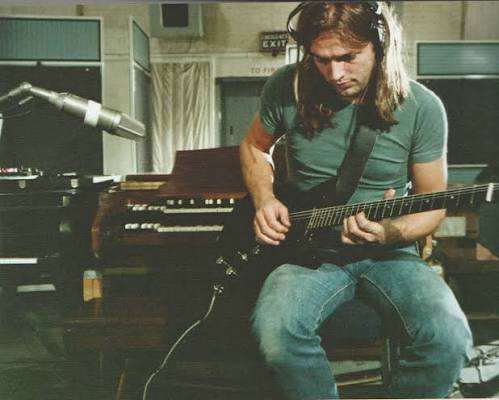
In an era where legacy acts routinely tour classic albums start to finish regardless of lineup changes, Gilmour’s stance is almost old-fashioned in its integrity. He’s effectively decided that some pieces of music belong to a specific creative partnership and die with it, a position that, for a lifelong Floyd fan, only deepens the mystique of an already legendary track.
The Takeaway
“Echoes” remains one of the most significant compositions in the Pink Floyd catalogue, not only for its role in shaping the band’s progressive rock identity, but now, decades later, for what its live absence represents. David Gilmour’s refusal to perform it isn’t stubbornness or nostalgia; it’s a quiet act of loyalty to Richard Wright and to the unrepeatable chemistry the two of them shared. In choosing silence over imitation, Gilmour has arguably given “Echoes” its most fitting tribute of all.



