
News
Pink Floyd PULSE: The Live Album That Blinks Back
On June 5, 1995, Pink Floyd released P.U.L.S.E. in the UK, a live album unlike anything rock had ever seen before. Recorded across the 1994 European tour, it didn’t just capture the music. The box itself was alive, complete with a flashing red LED that kept beating for years after you took it home.
Table of Contents
What Is Pink Floyd PULSE?
P.U.L.S.E. is Pink Floyd’s second official live album, documenting the band’s massive 1994 Division Bell Tour across Europe. Produced by David Gilmour and James Guthrie, the album spans two discs and runs well over two hours, making it one of the most comprehensive live recordings in rock history.
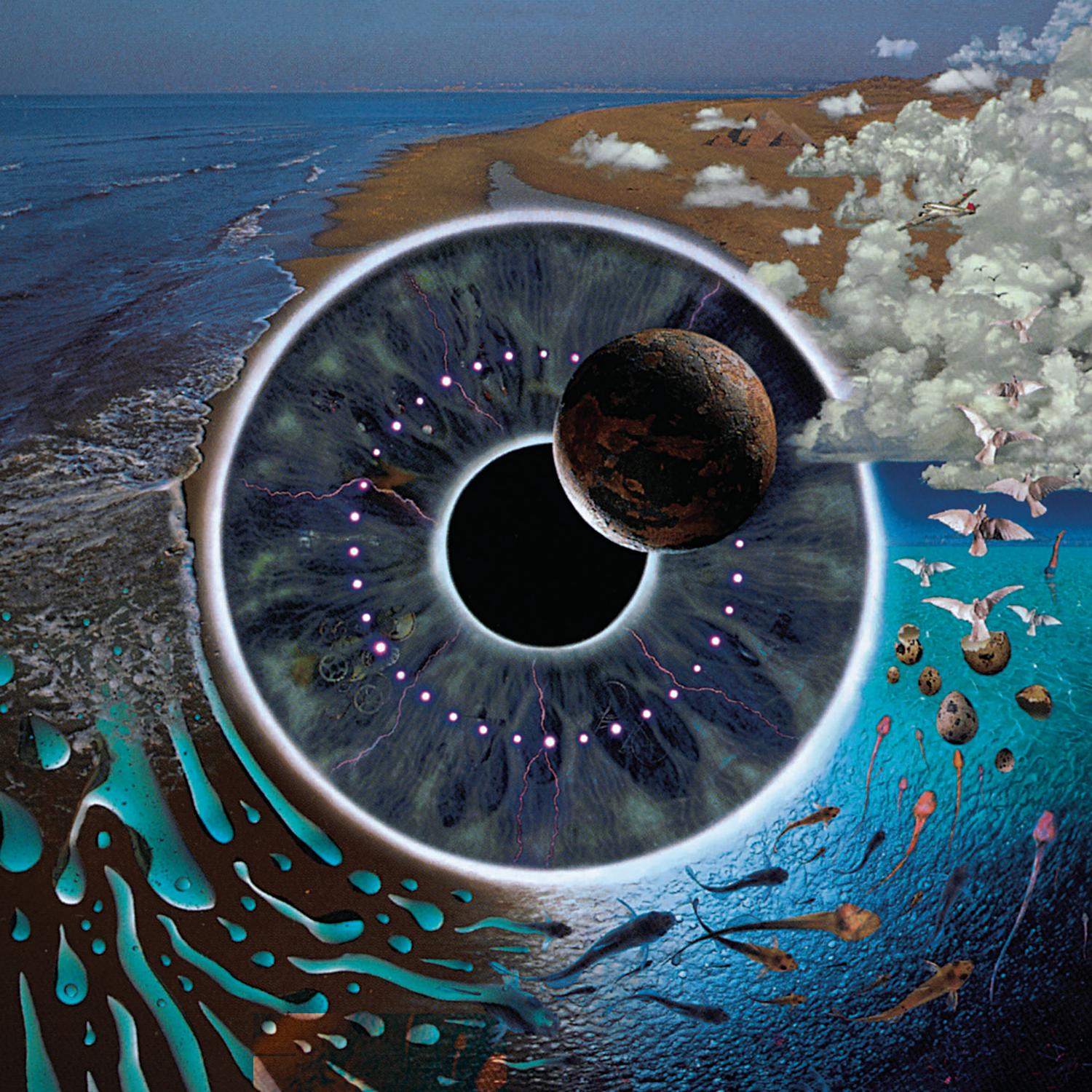
The tour itself was a spectacle. Pink Floyd had always been known for pushing the boundaries of what a live concert could be, and the 1994 shows were no different. Giant inflatables, laser shows, and a circular screen the size of a small planet. P.U.L.S.E. captured all of that energy and pressed it into audio form.
What set this live album apart from the rest wasn’t just the performances; it was everything around them. The packaging, the concept, the sheer ambition of releasing something that felt less like a record and more like a living artifact.
The LED That Kept Beating: The Most Iconic Album Packaging in Rock
The Story Behind the Flashing Light
The flashing red LED embedded in the spine of P.U.L.S.E. was the brainchild of legendary designer Storm Thorgerson, the same man responsible for the prism on Dark Side of the Moon and the burning man on Wish You Were Here. The physical device itself was designed and engineered by Jon Kempner, a contractor working with EMI.
Nick Mason explained the concept simply and brilliantly: “Essentially, it’s a device which we thought was entertaining. It’s an idea of Storm’s which relates to Dark Side and the pulse, and it’s a live album, so the box is ‘alive’.”
That word – alive – says everything. The LED wasn’t a gimmick. It was a statement. A live album should feel live. It should have a heartbeat.
UK vs US Edition: One Key Difference
For fans who bought the original UK pressing, there was one frustrating reality: the LED was sealed inside the packaging with no way to replace the battery. When it died, it died. Many fans watched it blink slower and slower over the years, like watching something fade.
The US edition was more practical. It included a small, accessible battery compartment, meaning American fans could swap out the battery and keep the pulse going indefinitely.
Then in February 2022, Pink Floyd released a fully restored and re-edited version of P.U.L.S.E., and the flashing red LED returned to the packaging. For longtime fans, it was nothing short of a resurrection.
P.U.L.S.E Full Tracklist – A Night in Two Acts
Disc One: The Opening Storm
The first disc opens with Shine On You Crazy Diamond (Parts 1–5 & 7), an extraordinary choice to open a live set. It sets the emotional tone immediately: vast, patient, and deeply felt. From there, the set moves through Astronomy Domine, Learning to Fly, Keep Talking, and Coming Back to Life before hitting the gut-punch of Another Brick in the Wall, Part 2 and the soaring High Hopes.
Worth noting for collectors: the cassette version of P.U.L.S.E. included two bonus tracks not found on the standard CD – One of These Days and Soundscape, the ambient pre-show recording that audiences heard while waiting for the concert to begin. It’s a small detail, but for completists, it matters.
You Might Also Like





Full Disc One tracklist:
- Soundscape (cassette only)
- Shine On You Crazy Diamond, Parts 1–5 & 7
- Astronomy Domine
- What Do You Want From Me
- Learning to Fly
- Keep Talking
- Coming Back to Life
- Hey You
- A Great Day for Freedom
- Sorrow
- High Hopes
- Another Brick in the Wall, Part 2
- One of These Days (LP and cassette only)
Disc Two – Dark Side of the Moon in Full
Disc Two is where P.U.L.S.E. becomes something genuinely historic. Pink Floyd performed The Dark Side of the Moon in its entirety — every track, in sequence, live. Opening with Speak to Me and Breathe (In the Air), moving through Time, The Great Gig in the Sky, Money, Us and Them, and closing out the suite with Brain Damage and Eclipse.
Hearing Dark Side performed live, with all the space and dynamics that the album demands, is a different experience entirely from the studio version. Gilmour’s guitar on Comfortably Numb – arguably the greatest guitar solo in rock history – hits differently when you know it was played in front of tens of thousands of people.
The disc closes with Run Like Hell, the perfect way to send a crowd home.
Full Disc Two tracklist:
- Speak to Me
- Breathe (In the Air)
- On the Run
- Time / Breathe (Reprise)
- The Great Gig in the Sky
- Money
- Us and Them
- Any Colour You Like
- Brain Damage
- Eclipse
- Wish You Were Here
- Comfortably Numb
- Run Like Hell
Why PULSE Still Matters in 2026
Thirty-one years on, P.U.L.S.E. hasn’t aged. If anything, it’s grown.
For a generation of fans who never got to see Pink Floyd live – who were too young in 1994, or simply weren’t there – P.U.L.S.E. is the closest thing to being in that crowd. It’s two hours of a band at the absolute peak of their live powers, playing songs that had already become part of the fabric of rock music and treating them with the weight they deserved.

The 2022 reissue introduced the album to an entirely new audience. Younger fans who discovered Pink Floyd through streaming suddenly had a physical artifact to hold – a box with a heartbeat. That’s not something Spotify can give you.
P.U.L.S.E. also stands as a reminder of what live music used to aspire to be. Not just a performance, but an event. Something you carried home with you, literally and figuratively. For fans who want to carry that energy further, the PULSE collection at OtherBrick brings the spirit of that era into something you can wear every day.
Thirty-one years after that LED first started blinking, the pulse is still going. Pink Floyd captured something in 1994 that most bands spend their entire careers chasing: a live performance that felt genuinely, unmistakably alive. P.U.L.S.E. isn’t just a document of a tour. It’s proof that for a few hours on any given night in 1994, Pink Floyd were the greatest live band on earth.



